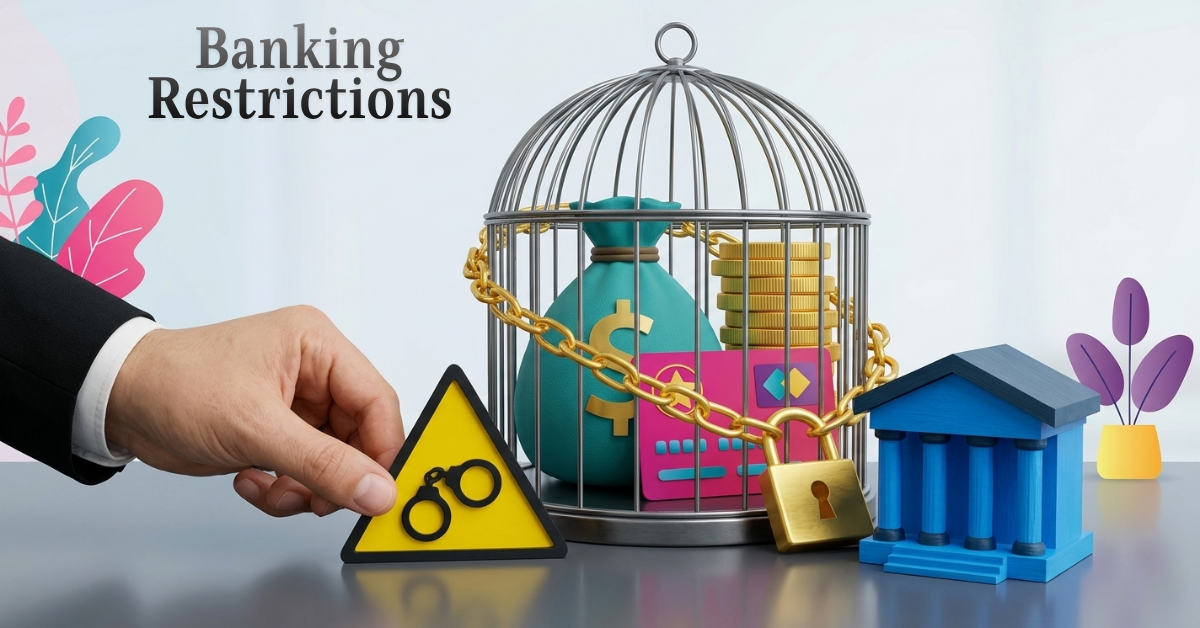
A new U.S. executive order requires banks to use immigration status as part of enhanced due diligence, aiming to disrupt money laundering, terrorist financing, and human trafficking. While regulators say the move protects the financial system, it could also make account opening, loans, and mortgage access harder for foreign nationals—especially undocumented and under‑represented communities. The ultimate economic and social effects will depend on forthcoming Treasury guidance, banks’ policies, and likely legal challenges.
What Does the Order State?
The order, issued under the Bank Secrecy Act, commands the Treasury Department and federal regulators to write rules for banks. The guidelines instructed banks to identify “red flags,” or signs of risk such as money laundering, terrorist financing and human trafficking inside the profile or transactions of its customers.
The order mentions certain transactions as “red flags” — including cash transactions of a high value, the use of shell companies and the use of some platforms for clearing “off-the-books” wage payments.
Individual Taxpayer Identification Number (ITIN) as opposed to Social Security Number (SSN)- Using this has been identified as a high risk factor because ITIN allows you to file taxes without being either a permanent resident or US citizen.
Why Do These Distinctions Matter?
Foreign national even struggle to open bank accounts and conduct certain banking transactions That could get especially tricky for undocumented immigrants and under-represented communities.
The administration claims that this firm stance is indicative of a steady and persistent campaign to dismantle such financial transactions in order to disrupt criminal networks, curb money laundering, and destroy terrorist financing channels in the United States. Nevertheless, such changes may affect illegal and legal residents alike whilst focusing on illegitimate actors, which sparks important debate about social inequality and financial inclusion.
More Hurdles to Open Accounts: Banks might better require able handling or greater transparency about citizenship and employment status. Various regulatory risks has led to a precautionary approach on new policies from many of the banks already.
Loan and Mortgage Restrictions: The availability of financing and housing assistance may decrease for ITIN-based borrowers. According to reports, some policies enacted by Fannie Mae and Freddie Mac are causing it hard for holders of TINs so as to qualify for coverage in the first instance.
Effect on Financial Inclusion—The trend of debanking or exclusion of some individuals from banking services may worsen making people dissuaded to use deposit doors, credit services and other financial products.
According to the administration, narrowing vulnerabilities in banking will help citizens who follow the rules by reducing the load that illegal transactions place on those systems.
Economists, however, caution that the impact on banking fees and interest rates hinges on varying factors—central bank rates, transaction-specific risks, banks cost of funds etc. Therefore, it is hard to relate any potential increases in bank fees only to this measure.
Researchers found that ITIN holders have served as an important mortgage channel historically; if limits were placed on the use of ITIN, home-buying ability in this population could be greatly reduced.
Opponents say the requirement to track customer citizenship data could become a “politically motivated debanking,” where certain communities were excluded from access to the financial system for political or social reasons. The elderly (particularly old people from socio economically weak family), low income groups or inhabitants of rural areas are apprehensive regarding the adverse impact on them because many will not have access to necessary documents.
In light of the unrelenting nature of money laundering and other compliance pressures, if banks switch their de-banking processes on these customers will be robbed of formal access to financial transaction platforms and thus be likely forced into more costly or informal forms of financial activity, rather than affordable credit?
Financial exclusion, coupled with anti-immigration measures can instil cowardliness and an established sense of dislocation into the environment – it makes residents feel that they are not a part of the basic economy. This can exacerbate social division.
On the flip side, if these measures successfully combat financing of crime, they will contribute to a safer society and recovery in confidence within financial institutions.
Targeted PoliciesOne approach that would be more effective than targeting all immigrants is to target only the transactions that display risk signals.
Versatile Documentation: Alternative forms of identification can be accepted in a manner where financial inclusion is preserved, provided that effective Anti-Money Laundering (AML) and Know Your Customer (KYC) safeguards are implemented to prevent risks.
Public Program: With the availability of legal assistance and financial literacy courses to undocumented workers and newly arrived immigrants, recent immigrants will be able to transition into the formal banking systems.
What to Expect Next?
The next step is for the Treasury and regulators to release guidelines. The implications are sure to provoke responses from banks, consumer advocacy groups and legal experts.
Legal challenges to these regulations could occur by some states or communities, and banks may apply such policies differently from one another.
The final result will be influenced by a combination of decisions from judges, regulatory particulars, and the policies that banks institute for themselves.
The new executive order has implemented immigration status-related regulations in the U.S. financial system Its purpose is to discourage some criminal financing, but the side effect could be less foreign-capital support. These are beneficial but also detrimental, and how they play out will depend on the guidance (and intervention) of regulators, the reaction from banks and actions taken through the courts.