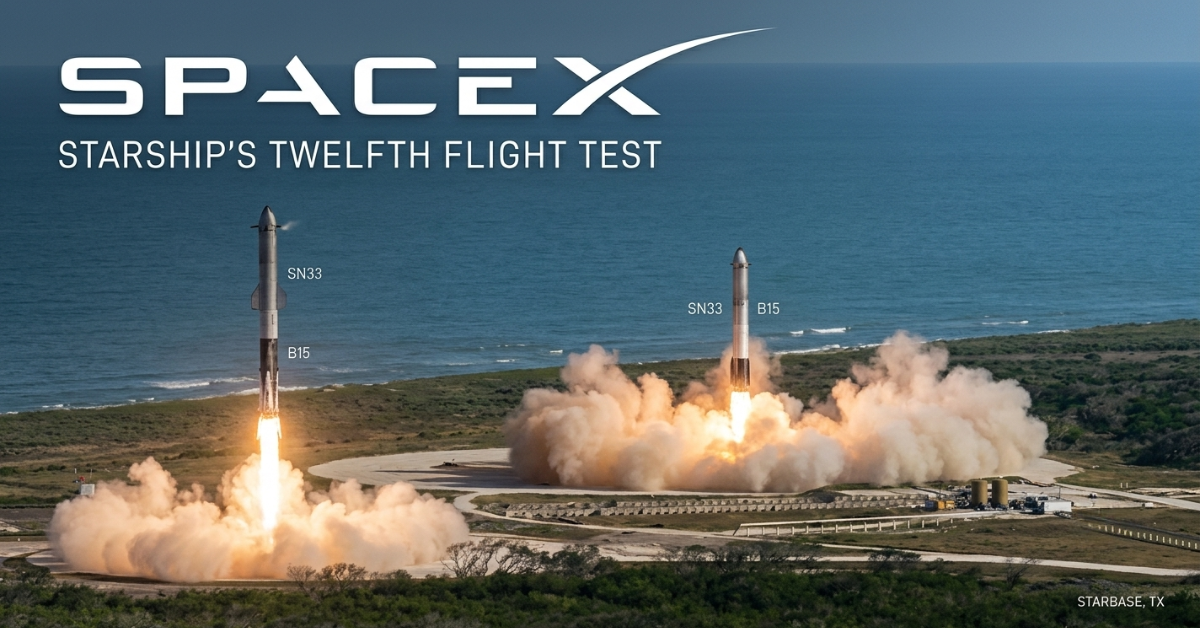
Elon Musk’s net worth in 2026 is more than a single headline number — it reflects Tesla’s stock moves, a possible SpaceX IPO, the rise of Starlink and xAI, and broader market and regulatory shifts. For American investors, understanding “elon musk net worth 2026” helps decode how big corporate events and valuation swings could indirectly affect index funds, retirement accounts, and tech-heavy portfolios.
Estimates of Elon Musk’s net worth in 2026 vary across outlets and analysts. Pinning down one precise number is difficult because most of his wealth is tied to both public and private company valuations that fluctuate with market sentiment. The combination of a large SpaceX IPO possibility, Tesla’s share-price movements, and valuations of his AI and other ventures means that by 2026 Musk’s net worth could plausibly be in the low hundreds of billions up to multiple trillions of dollars—depending on which outcomes materialize. For anyone searching “elon musk net worth 2026,” it’s essential to understand that these figures are fluid and driven by specific events.
To understand his net worth, you need to know where it comes from. These are the core contributors:
Tesla: As a publicly traded company, Tesla contributes a major chunk of Musk’s market-value-based wealth. Quarterly earnings, production rates, and profit margins directly affect Tesla’s stock price—and thus his net worth.
SpaceX: If SpaceX goes public at a large valuation, that single event would significantly increase Musk’s publicly reported net worth. Until an IPO occurs, much of SpaceX’s value is private and estimated.
Starlink: SpaceX’s satellite broadband service is one of its main revenue drivers. Growth and profitability here can materially shift the company’s valuation.
X (formerly Twitter): The platform’s revenue mix—advertising, subscriptions, and fees—affects its valuation and any contribution to Musk’s overall holdings.
xAI and other startups: AI ventures and other technology projects can be high-growth value drivers, especially if they attract large funding rounds or commercial success.
Personal assets and investments: Real estate, private investments, cash holdings, and tax strategies also factor into the overall picture, though they’re typically smaller than the big equity stakes.
Several developments in 2026 would strongly influence any estimate of Musk’s net worth:
A SpaceX IPO: A public listing at a high valuation would create immediate, visible value linked to Musk’s stake. If SpaceX’s market cap is very large, Musk’s reported net worth could jump substantially.
Sudden swings in Tesla’s earnings, deliveries, or margins can rapidly change Tesla’s share price—and thus his richest public asset.
AI business traction: Commercial success of xAI or other AI products could make a meaningful incremental contribution to his value.
Global macro and market factors: Interest rates, inflation, and overall market risk appetite affect valuation multiples for tech firms—this can amplify up or down movements in Musk’s net worth.
Although high valuations get most headlines, there are several clear risks:
Tech stocks are especially sensitive to sentiment and rate shifts. A move toward lower multiples can reduce valuations quickly.
Social platforms like X face content and competition challenges; stricter regulation or advertiser pullback would harm revenues.
Competitive threats in space and connectivity: Starlink faces rivals in satellite internet and terrestrial broadband, which could cap growth or compress margins.
Concentration and liquidity: Large stakes in a few companies mean Musk’s net worth is concentrated. For private holdings, liquidity constraints and lock-up periods limit immediate cash realization.
Changes in Musk’s net worth don’t directly change most individual portfolios—but there are indirect channels that matter:
Index and pension exposure: If a company like SpaceX goes public and enters major indexes, large funds and retirement accounts could gain exposure to its shares.
Dramatic shifts in high-profile stocks drive investor sentiment and can ripple through tech-heavy portfolios.
Diversification lessons: Relying on a small set of mega-cap tech names increases portfolio sensitivity to events tied to those companies.
Avoid concentration in a single founder or a single company, however compelling it may seem.Maintain allocation discipline: Design a target allocation to equities, bonds, and alternatives that matches your risk tolerance.
Short-term moves can be large; long-term fundamentals and diversification typically matter more for retirement goals.
Track regulation and tech trends: AI rules, privacy laws, and space/telecom policy can shift valuations quickly, so stay informed.
If SpaceX and AI ventures succeed commercially and Tesla keeps expanding profitably, Musk could cross into the trillion-dollar range publicly.
If gains from new ventures are moderate and Tesla stays roughly steady, his net worth could grow slowly but not explosively.
Regulatory set-backs, poor performance in major assets, or market-wide contraction could reduce headline valuations substantially.
Imagine SpaceX completes an IPO at a $1.75 trillion valuation in 2026 and Musk owns 40% of the company. On paper, his SpaceX stake would be worth about $700 billion. Combined with his Tesla holdings and other assets, this could push his reported net worth far above prior levels. But remember key caveats: lock-up periods after IPOs restrict immediate sales, taxes and share sale strategies shape realized gains, and market pricing can change quickly after listing.
The phrase “elon musk net worth 2026” encapsulates market structure, regulatory developments, and the timing of major financial events. It’s not a static statistic; it’s a reflection of how investors value companies tied to Musk, how much liquidity is created by public listings, and how global markets price future growth. For American readers and investors, that means big headline moves may show up indirectly in index funds, ETFs, and retirement accounts—especially if a giant private company becomes public.
Musk’s net worth in 2026 depends heavily on SpaceX’s public status, Tesla’s performance, and the success of AI and satellite businesses.
Estimates are volatile; large headline numbers are sensitive to market swings and one-time events like IPOs.
U.S. investors should focus on diversification and long-term planning rather than reacting to headline valuations.
Regulatory changes and competition remain clear downside risks; however, technological breakthroughs and successful IPOs can produce rapid valuation gains.