The benefits of walking have become a popular benchmark for maintaining good health and staying active. While the number itself may seem simple, research and health experts agree that walking regularly can lead to significant physical, mental, and emotional improvements. In this article, we’ll explore 12 proven benefits of walking daily, backed by science and expert insights, and explain how this simple habit can transform your life.
1. Helps in Weight Loss
One of the most immediate and noticeable benefits of walking is weight management. Walking burns calories, and when combined with a balanced diet, it can lead to gradual and sustainable weight loss. • Walking burns approximately 300–500 calories depending on your pace and body weight. • It boosts metabolism and helps reduce fat accumulation. • Unlike intense workouts, walking is low-impact and easier to maintain long-term. Tip: Use a pedometer or fitness tracker to monitor your steps and stay motivated.
2. Improves Heart Health
The benefits of walking include strengthening the heart and improving circulation. • Regular walking lowers LDL (bad cholesterol) and increases HDL (good cholesterol). • It reduces the risk of heart disease, heart attacks, and strokes. • Walking improves blood flow and helps regulate heart rate. Studies show that walking briskly for 30 minutes a day can reduce the risk of coronary heart disease by up to 19%.
3. Reduces Risk of Chronic Diseases
Among the many benefits of walking, reducing chronic illness risk is significant. • Helps manage blood sugar levels, reducing the risk of type 2 diabetes. • Lowers blood pressure and improves insulin sensitivity. • Reduces inflammation linked to arthritis and cancer.
4. Reduces Stroke Risk in Women
Women who walk regularly experience unique benefits of walking such as lower stroke risk. • A Harvard study found that women who walked briskly had a 40% lower risk of stroke. • Walking improves vascular health and reduces blood clot formation. • It helps manage hormonal changes affecting cardiovascular health.
5. Decreases Diabetes Risk
Another major benefit of walking is better glucose control. • Enhances muscle glucose uptake, reducing sugar spikes. • Walking after meals lowers postprandial blood sugar. • Supports weight loss, crucial for diabetes prevention. Tip: A 15-minute walk after each meal can be more effective than a single long walk.
6. Lowers Blood Pressure
The benefits of walking extend to hypertension management. • Improves arterial flexibility and reduces vascular resistance. • Lowers systolic and diastolic blood pressure. • Can reduce the need for medication in some cases.
7. Increases Lung Capacity
Walking enhances respiratory function. • Improves oxygen intake and carbon dioxide expulsion. • Strengthens respiratory muscles. • Increases stamina and reduces breathlessness. Tip: Practice deep breathing while walking to maximize lung expansion.
8. Improves Mood and Mental Health
Mental well-being is one of the most powerful benefits of walking. • Releases endorphins, reducing stress and anxiety. • Improves sleep quality and cognitive function. • Nature walks add extra mental health benefits.
The benefits of walking include stronger immunity. • Increases circulation of immune cells. • Reduces inflammation and oxidative stress. • Improves lymphatic drainage. • Sunlight exposure boosts vitamin D levels.
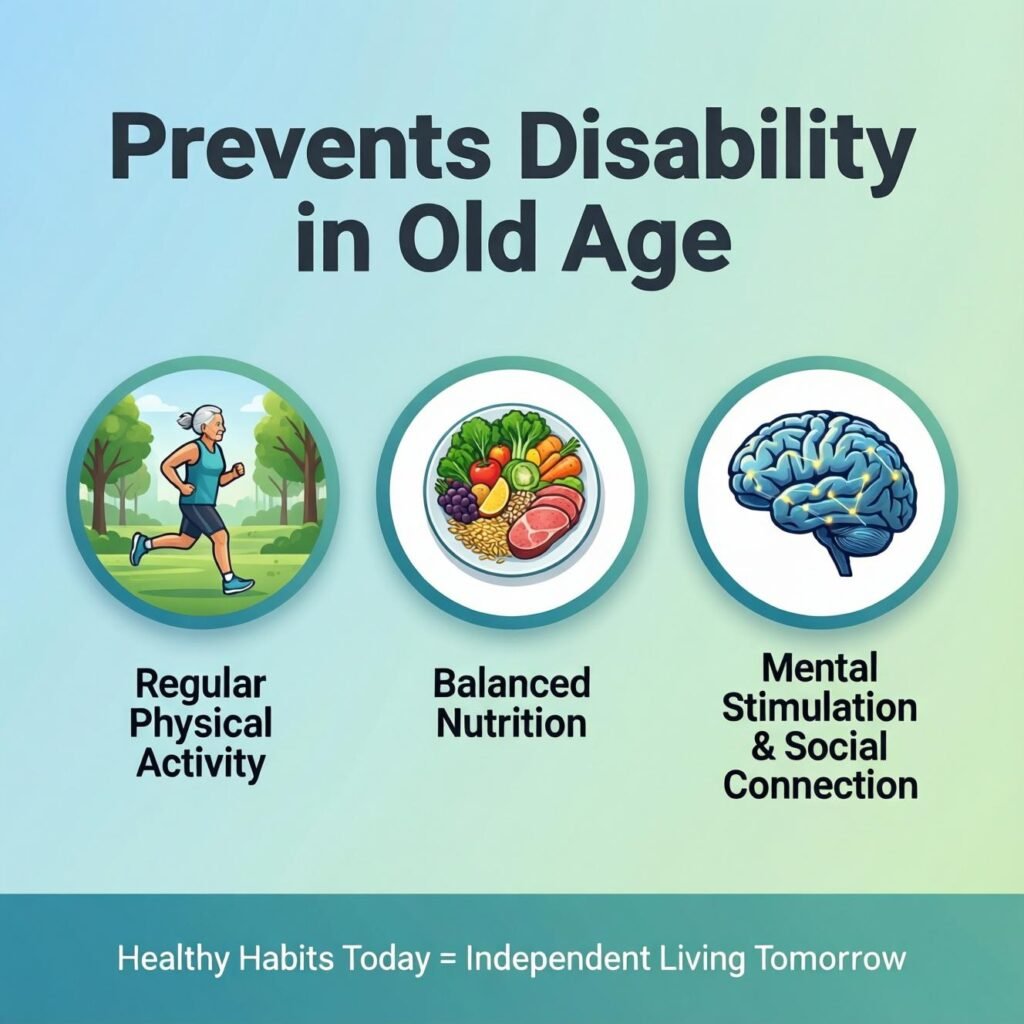
11. Prevents Disability in Old Age
Walking helps maintain independence in seniors. • Strengthens bones and muscles. • Improves balance and coordination. • Reduces risk of falls and fractures.
12. Speeds Up Digestion
Digestive health is another key benefit of walking. • Stimulates peristalsis, moving food through the digestive tract. • Reduces constipation and improves nutrient absorption. • Walking after meals helps prevent acid reflux.
How to Get Started
If walking feels overwhelming, start small: • Begin with shorter walks and gradually increase. • Break walks into short sessions throughout the day. • Use stairs, walk during calls, or park farther away. Consistency is key—even moderate walking done daily yields benefits.
The benefits of walking are more than a fitness trend—they represent a lifestyle choice that supports holistic health. From weight loss and heart health to improved mood and immunity, the advantages are wide-ranging and scientifically backed. Whether young or old, fit or just starting out, walking is accessible, sustainable, and incredibly rewarding. Start today—your body and mind will thank you.